


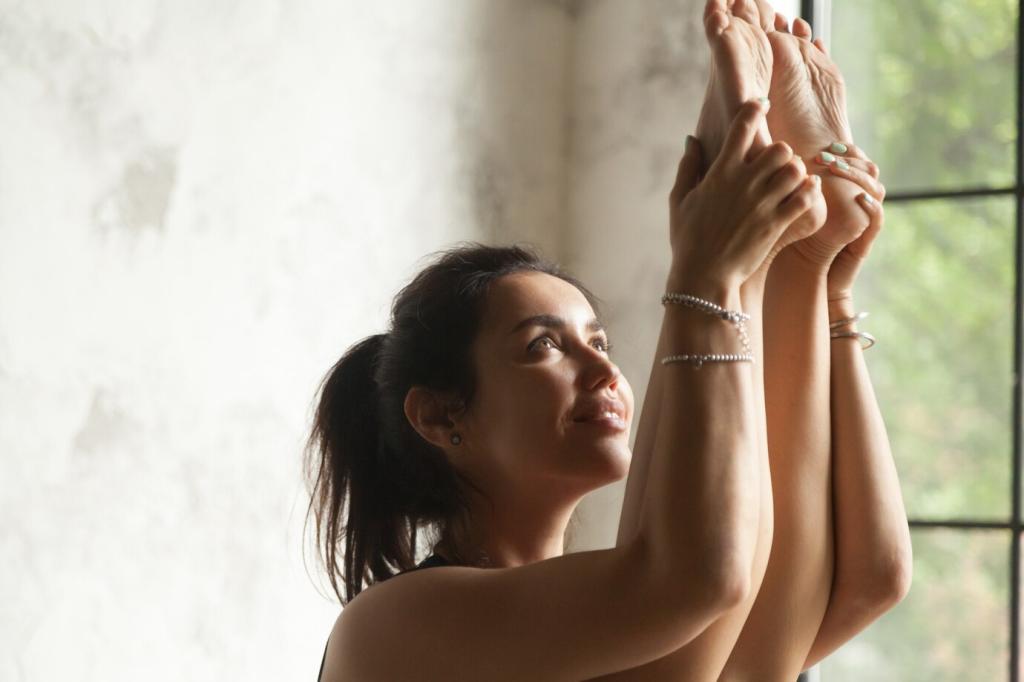



Practicing Meditation for Inner Harmony

Chosen theme: Practicing Meditation for Inner Harmony. Welcome to a calm corner of the web where small daily practices reshape inner weather. Breathe in, soften your shoulders, and join us—comment, share your journey, and subscribe for weekly guidance.

Start Where You Are: Foundations of Inner Harmony

Intention sets the direction—cultivating inner harmony—while attention walks the path, moment by moment. Each time your mind wanders, kindly return. Tell us your intention today to strengthen your practice.

Breath as a Bridge to Balance

Inhale four, hold four, exhale four, hold four—repeat four times. This square rhythm steadies attention and fosters inner harmony. Try it now, then comment how your chest and jaw feel afterward.

Breath as a Bridge to Balance

Breathe in for four, out for six to eight. Longer exhales nudge the parasympathetic system, easing tension and nurturing inner harmony. Practice before difficult calls and share your noticeable difference.

Designing Your Personal Meditation Space

Soft, indirect light calms the eyes. Reduce harsh noise with fabric or white noise. Choose a steady scent—cedar, lavender, or none—to support inner harmony. Share your favorite calming sensory combination.

Common Roadblocks and Kind Remedies

When thoughts race, label them “planning” or “worry,” and softly return to breathing. Each return strengthens inner harmony like a bicep curl for attention. Comment how labeling changes your relationship with thoughts.

Common Roadblocks and Kind Remedies

If drowsy, meditate sitting slightly forward or try standing with soft knees. Shorten sessions, brighten light, or practice earlier. These tweaks preserve inner harmony without strain. Which adjustment reawakened your practice today?

What Science Says About Inner Harmony

Studies suggest increased gray matter density in regions linked to attention and emotion regulation. Even eight weeks can matter. Consistency strengthens inner harmony. What scientific finding motivates you to sit down today?

What Science Says About Inner Harmony

Slow breathing can boost heart rate variability, reflecting flexible stress responses. This adaptability underpins inner harmony in daily challenges. Try measuring pulse before and after practice and share your gentle observations.

Wility
Privacy Overview

This website uses cookies so that we can provide you with the best user experience possible. Cookie information is stored in your browser and performs functions such as recognising you when you return to our website and helping our team to understand which sections of the website you find most interesting and useful.